Choosing a Dentist in Dunfermline: What to Look for in a Local Dental Practice
Choosing a Dentist in Dunfermline: What to Look for in a Local Dental Practice
Choosing a new dentist is about more than finding a practice that is close to home. You want to feel comfortable with the people looking after your dental health, understand the treatment being recommended and know that you can ask questions whenever you need to.
If you’re looking for a dentist in Dunfermline, we understand that choosing a new dental practice can feel like a big decision. Whether you’ve recently moved to the area, haven’t visited a dentist for a while or simply feel that it’s time for a change, we want your experience with us to feel straightforward, welcoming and personal.
Here are some of the things we think are worth considering when choosing a dental practice.
What can you expect when you join a dentist in Dunfermline?
Your first appointment is an opportunity for us to get to know you, understand your dental history and find out if there is anything about your teeth or gums that you are concerned about.
We’ll carry out an examination and, where appropriate, recommend any further diagnostic checks that may be needed. Most importantly, we’ll take the time to explain what we have found and talk you through anything that may need attention.
If you haven’t been to the dentist for some time, please don’t worry. Just let us know. The same is true if you feel nervous about treatment or have had a difficult dental experience in the past. The more we understand about your concerns, the better we can tailor your care to your needs.
We believe in clear, straightforward explanations
We don’t think you should leave a dental appointment wondering what has just been discussed.
If we recommend treatment, we’ll explain what it involves, why we are recommending it and what your options are. Where appropriate, we can also discuss alternative approaches so that you can make an informed decision about your dental care.
We regularly hear from patients who appreciate the time our team takes to explain procedures and answer questions. One patient, Zoe M, described our team as:
“The staff are always friendly and communicative, and they take the time to explain the steps of every procedure so you always know what is happening.”
We know that every patient is different, so we’ll always encourage you to ask questions and tell us if there is anything you would like us to explain in more detail.
Consider the care you may need in the future
When choosing a Dunfermline dentist, it can be useful to think beyond your next appointment.
Your dental needs can change over time. Routine examinations, preventive care and hygiene appointments may be all you need for many years, while at other times you may need treatment for a particular dental problem or want to explore options to improve the appearance or function of your smile.
At Dentistry @ No.3, we provide a range of dental care and can help you understand which options may be appropriate for your individual needs.
Rather than choosing a practice simply because it offers a long list of treatments, we believe it is more important to find a team you trust and feel comfortable returning to.
Preventive dental care is important
You don’t have to wait until something hurts before visiting your dentist.
Some dental problems can develop without causing noticeable pain in the early stages. Regular examinations allow us to check the health of your teeth and gums and identify anything that may need attention.
We’ll also talk to you about looking after your teeth between appointments. Small changes to your daily routine can make a real difference to your long-term oral health, and we’re here to give you practical advice that fits around your lifestyle.
Our aim is not simply to treat dental problems when they occur. We want to help you maintain a healthy smile for as long as possible.
What if you feel nervous about visiting the dentist?
If you feel anxious about dental treatment, you are certainly not alone.
For some people, dental anxiety can make it difficult to attend appointments regularly. If that sounds familiar, please tell us. You can mention your concerns when you book your appointment or speak to us when you arrive.
We can take the time to understand what makes you nervous and discuss how we can make your visits more comfortable.
Our patients have told us that they have felt nervous about dentistry but became more comfortable after visiting our practice. We believe that good communication is an important part of helping anxious patients feel more at ease.
You can read more about how we support nervous patients before your visit.
The practical side of choosing a local dentist
Of course, choosing a dentist is also a practical decision.
Location, opening hours and appointment availability can all make a difference. If your dentist is convenient to reach and appointments fit around your routine, it can be much easier to keep up with regular dental care.
Our main practice is at:
Dentistry @ No.3
3 Comely Park
Dunfermline
Fife
KY12 7HU
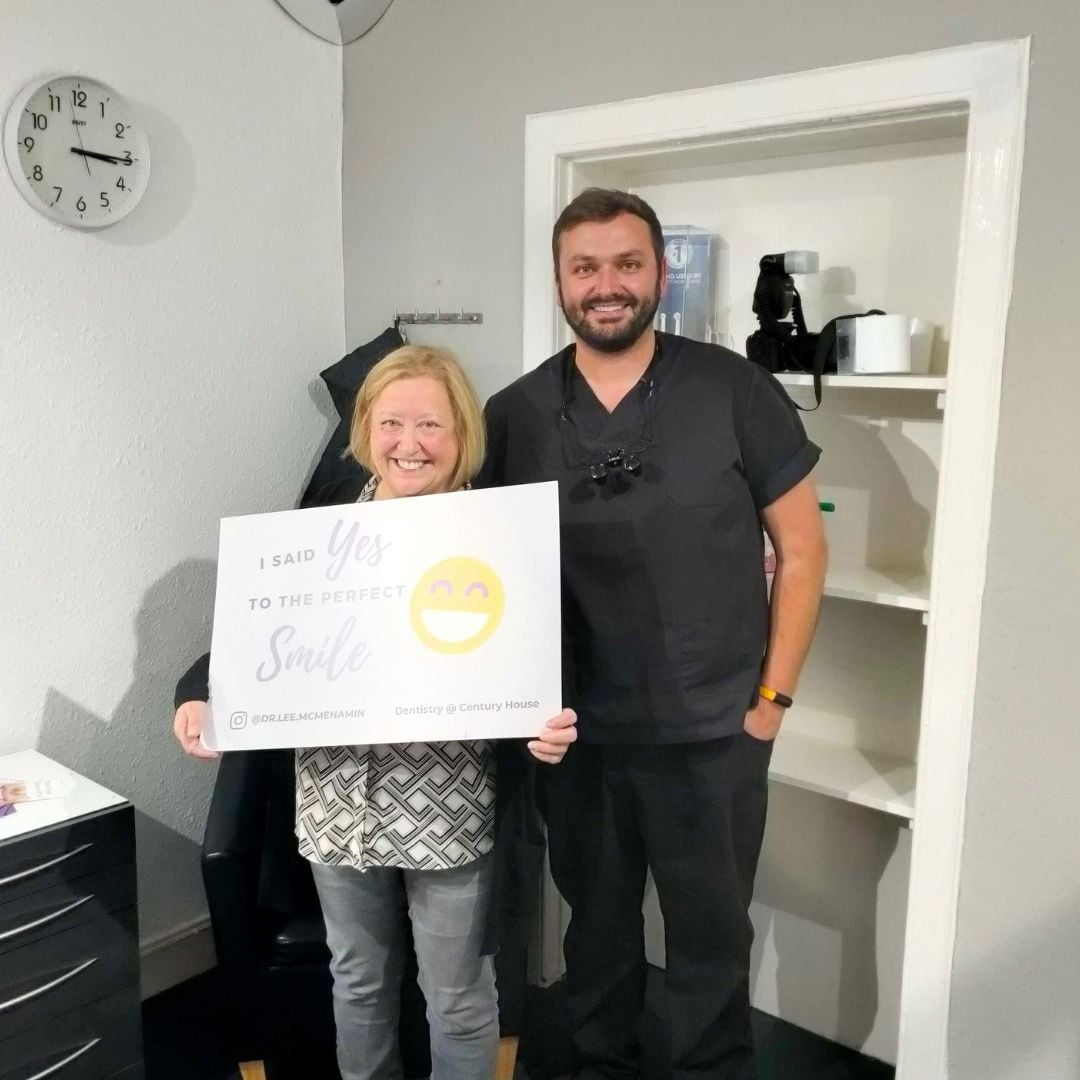
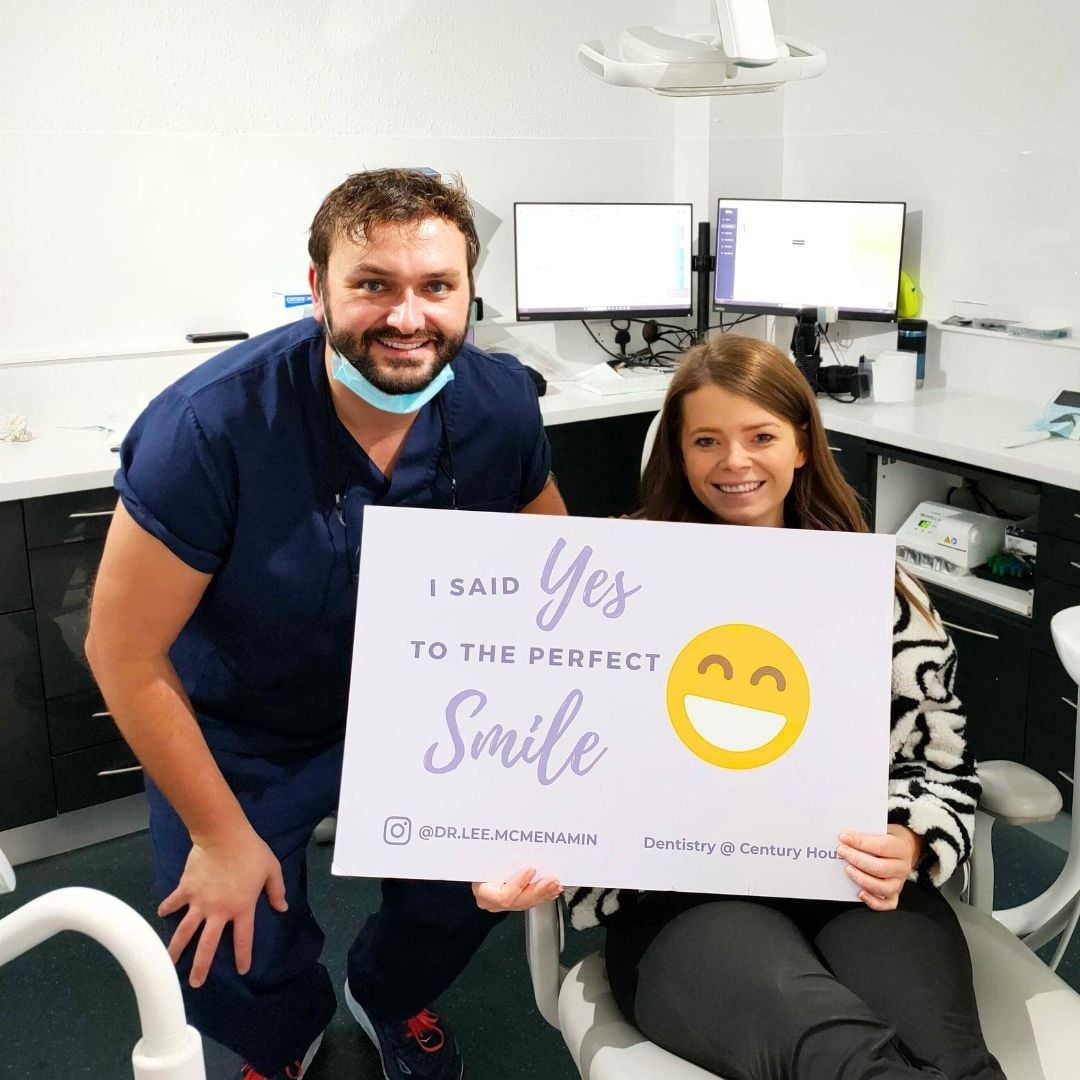
We also have a second location at Dentistry @ Century House, 45 East Port, Dunfermline, KY12 7JA.
Our opening hours and appointment availability can change, so please contact our team for the most up-to-date information when arranging an appointment.
What can patient reviews tell you?
When you’re choosing a new dentist, it can be helpful to see what other patients have experienced.
We’re proud of the feedback our patients have shared with us, particularly comments about our friendly approach, communication and the time we take to explain treatment.
For example, Valerie has described how her questions were answered thoroughly and patiently and how she did not feel rushed during her care.
Of course, everyone’s experience is individual, and reviews should be just one part of choosing a dentist. We encourage you to consider whether the practice feels right for you and whether you feel comfortable communicating openly with the dental team.
Choosing a dentist is about building a relationship
We believe that good dental care is about more than a single appointment.
When you find a dentist you trust, regular visits become part of looking after your health rather than something you put off. We want our patients to feel comfortable coming to us with questions, concerns or changes they have noticed.
If you’re moving to Dunfermline, looking for a new dentist or simply feel that your current dental practice is no longer the right fit, we’d be delighted to welcome you to Dentistry @ No.3.
Your first appointment is an opportunity for us to get to know you, understand what you want from your dental care and discuss how we can help.
Frequently asked questions
How do I choose a dentist in Dunfermline?
Think about more than location. Consider the practice’s approach to patient care, how clearly treatment is explained, the appointment arrangements, the range of care available and whether you feel comfortable with the team. Patient reviews can also provide useful insight.
What happens at a first appointment with a dentist?
Your first appointment will usually include a discussion about your dental history and any concerns you have, followed by an examination. Depending on your individual circumstances, we may recommend additional diagnostic checks.
We’ll explain what we find and discuss any treatment or preventive care that may be appropriate.
Should I choose a private dentist in Dunfermline?
That depends on your individual needs and preferences. When comparing practices, look at the type of care available, how appointments are organised, how the team communicates with you and whether you feel the practice is a good fit.
Choosing a private dentist is about more than simply choosing a practice because it is private.
What should I ask my dentist before agreeing to treatment?
Don’t be afraid to ask questions. You can ask what has been found, why treatment has been recommended, what alternatives may be available and what the next steps will involve.
You should feel that you have enough information to make a decision about your care.
Can I tell my dentist if I am nervous?
Absolutely. We encourage you to tell us if you feel anxious about dental treatment. Let us know when you book your appointment and speak to us again when you arrive.
Understanding what makes you nervous helps us communicate with you in a way that feels more comfortable.
Where is Dentistry @ No.3 in Dunfermline?
Our main practice is located at:
3 Comely Park
Dunfermline
Fife
KY12 7HU
You can contact us on 01383 735710 or email info@dentistry-no3.co.uk.
We also have a second location at Dentistry @ Century House, 45 East Port, Dunfermline, KY12 7JA. Please confirm the location when arranging your appointment.
Looking for a dentist in Dunfermline?
If you’re looking for a friendly, professional dentist in Dunfermline, we’d be delighted to hear from you.
Whether you’re looking for routine dental care, have a particular concern or simply want to find out what you can expect as a new patient, our team is here to help.
Contact Dentistry @ No.3 to discuss becoming a patient and arrange your first appointment.
Dentistry @ No.3
3 Comely Park
Dunfermline
Fife
KY12 7HU
Telephone: 01383 735710
Email: info@dentistry-no3.co.uk